
What Is Reiki Healing and How Does It Work?
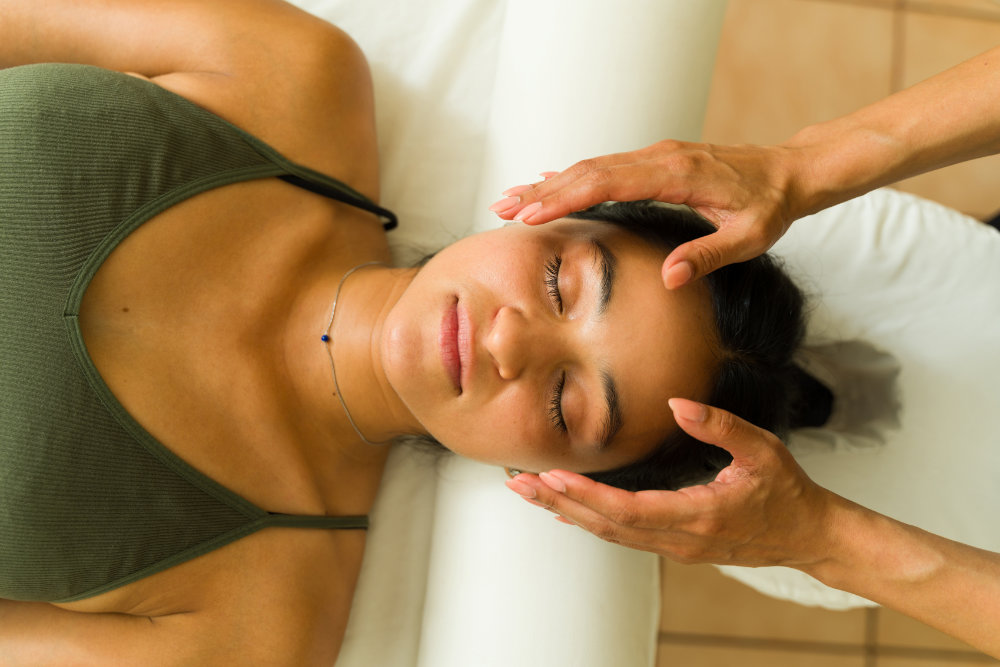
In today’s busy world, many people are looking for gentle ways to slow down, reconnect with themselves, and support their overall wellbeing. Reiki healing is one of those practices that has grown in popularity for its calming, restorative nature.
But what exactly is Reiki, and how does it work?
What Is Reiki?
Reiki is a gentle energy healing practice that originated in Japan. The word Reiki is commonly understood as meaning universal life energy. It is based on the idea that energy flows through and around us, and that when this energy is low, blocked, or out of balance, we may feel stressed, tired, emotionally drained, or disconnected.
Reiki aims to support the body and mind by encouraging relaxation and helping restore a sense of balance.
It is a non-invasive practice that is typically carried out by a trained Reiki practitioner, either through light touch or with hands placed just above the body.
How Does Reiki Work?
Reiki works by supporting the body’s natural ability to relax, reset, and restore. During a session, the practitioner channels Reiki energy and places their hands on or above different areas of the body. Each practitioner may work slightly differently, but the intention is always to help encourage the flow of energy and create a deep sense of calm.
Many people describe Reiki as feeling like a warm, soothing, peaceful experience. Some notice sensations such as warmth, tingling, heaviness, emotional release, or deep stillness. Others simply feel relaxed.
Even though people experience Reiki in different ways, one of the main reasons it is valued is because it can help the nervous system slow down. When the body is in a more relaxed state, it may feel easier to process emotions, release tension, and reconnect with a sense of inner balance.
What Happens During a Reiki Session?
A Reiki session is usually calm, quiet, and deeply restful.
You will normally remain fully clothed and lie on a treatment couch or sit comfortably in a chair. The practitioner will gently place their hands on or just above specific areas of the body, often including the head, shoulders, arms, stomach, legs, and feet.
There is no need to do anything during the session except relax as much as you can.
Some people drift into a meditative state or even fall asleep. Others remain awake and simply enjoy the feeling of stillness. Every experience is different, and there is no right or wrong way to receive Reiki.
What Can Reiki Support?
People often turn to Reiki when they want support with:
- stress and overwhelm
- emotional balance
- rest and relaxation
- feeling grounded
- reconnecting with themselves
- creating space for healing and reflection
Reiki is not about forcing change. Instead, it offers a gentle, supportive space where the body and mind can begin to settle.
For many people, that alone can feel powerful.
Is Reiki a Medical Treatment?
Reiki is a complementary practice, not a replacement for medical care. It is not intended to diagnose, treat, or cure medical conditions. Instead, it is often used alongside other wellbeing practices as part of a holistic approach to health.
Many people choose Reiki because it feels gentle, non-invasive, and supportive during stressful or emotionally demanding times.
Why Do People Find Reiki Helpful?
One of the reasons Reiki resonates with so many people is because it creates an opportunity to pause.
So much of modern life keeps us in a constant state of doing, thinking, rushing, and responding. Reiki invites the opposite. It offers stillness, rest, and a chance to tune in.
Whether someone comes for Reiki because they are feeling emotionally drained, mentally overloaded, or simply in need of some calm, the session can become a valuable moment of care and reconnection.
Do You Have to Believe in Reiki for It to Work?
A common question is whether you need to “believe in” Reiki in order to benefit from it.
The simple answer is no. You do not need any special beliefs, spiritual background, or previous experience. Many people come to Reiki simply because they are curious or looking for a way to relax.
Being open to the experience is often enough.
Final Thoughts
Reiki healing is a gentle practice that supports relaxation, balance, and overall wellbeing. While each person’s experience is unique, many find it to be a calming and restorative way to reconnect with themselves.
If you are feeling stressed, disconnected, or in need of space to breathe, Reiki may offer a peaceful and supportive place to begin.
Start your healing conversation
A free consultation call is your first step toward understanding how Reiki can support your recovery and wellbeing.
